
Process
How China Sourcing Works: Six Steps From Brief to Shipment
This page explains how China sourcing works with VECTA GLOBAL. For each of the six steps you will see what you provide, what we do, what you receive, and the mistake that most often causes problems at that stage.
- Scope agreed in writing before work starts
- Milestone updates at each step
- Founder-led, based in China
The Big Picture
Why a fixed process matters
Buying from China goes wrong most often in the gaps between decisions: a supplier chosen before it was checked, a sample approved without a written record, a balance paid before anyone inspected the goods. A fixed sequence closes those gaps, because each step produces a record that the next step relies on.
The same six steps apply to every VECTA GLOBAL project. Not every project needs all six. A repeat order may start at production, and a buyer with an existing supplier may only need inspection and shipping. But the order never changes, and nothing moves forward until the step before it is agreed.
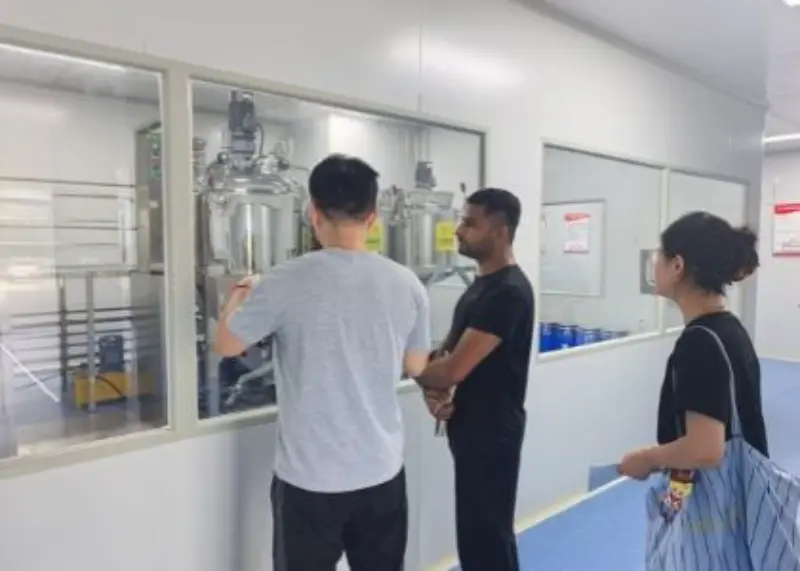
The Process
How China sourcing works in six steps
Here is how China sourcing works step by step, from the first message to goods leaving the country.
1. Send your requirement
What you provide: your product description and specifications, target quantity, destination, and any packaging, labelling or compliance requirements, through the quote request. Photos, drawings or a reference product link all help.
What VECTA GLOBAL does: reviews the brief for completeness and feasibility, checks whether the product is legal in China and in your market, and raises any missing information.
What you receive: confirmation that your requirement has been received, plus any clarifying questions needed before scoping.
Watch out for: briefs that describe a product only by a marketplace photo. Two suppliers can read the same photo very differently.
2. Agree the scope
What you provide: your budget range, timeline expectations and preferred working model, if you have one.
What VECTA GLOBAL does: defines the scope of work, the services included, the fee basis and the transaction model, and confirms them in writing before work starts.
What you receive: a written scope you can approve before any paid work begins, with no open-ended commitment.
Watch out for: starting supplier research before the scope is written down. Unclear scope leads to unclear expectations later.
3. Research suppliers
What you provide: decisions on shortlist criteria, for example price level, MOQ or supplier type, where you have a preference.
What VECTA GLOBAL does: researches suitable independent suppliers in China, checks identity and registration, requests quotations to the same specification, and compares them on more than unit price, including MOQ, lead time, packaging and terms.
What you receive: a supplier shortlist with screening notes and a quotation comparison you can review before choosing how to proceed.
Watch out for: choosing on unit price alone. The cheapest quote often leaves out packaging, testing or a realistic MOQ.
Steps 4 to 6
From approved sample to shipment
4. Review samples
What you provide: your evaluation of samples against your specification, and clear approval or revision requests.
What VECTA GLOBAL does: arranges samples where appropriate, manages specification sheets and revision rounds, and records your approval in writing.
What you receive: samples for your review and a documented approval record, so production is based on an agreed specification, not on assumptions.
Watch out for: approving from photos, or by chat message. The factory needs a fixed, written reference to produce against.
5. Production and inspection
What you provide: confirmation to proceed once the contract, payment schedule, quality requirements and delivery terms are agreed in writing.
What VECTA GLOBAL does: follows production against the agreed milestones and coordinates inspection where it is included in the scope, with timing and acceptance criteria agreed in advance.
What you receive: milestone updates during production and, where inspection is arranged, a report with photos or video before the balance decision.
Watch out for: paying the balance before the goods are checked. Once the money is sent, there is little reason for a factory to rework anything.
6. Coordinate shipping
What you provide: your delivery instructions and the import arrangements on your side, unless otherwise agreed in writing.
What VECTA GLOBAL does: compares freight forwarder options where included in the scope, coordinates export documents and tracks shipment milestones under the agreed delivery terms.
What you receive: shipping documents and status updates until the goods are handed over under the agreed terms.
Watch out for: comparing freight rates without comparing what each quote includes. Destination charges can change the real cost a lot.
Each step has its own detailed page: supplier verification, samples, production follow-up, quality inspection and shipping.
Records
What each step produces
A good process leaves a paper trail you can rely on if anything is questioned later. These are the main records created along the way.
| Step | Main record | Why it matters |
|---|---|---|
| 1. Requirement | Your brief and our feasibility notes | Everyone starts from the same description |
| 2. Scope | Written scope, fee basis and transaction model | No surprises about cost or responsibility |
| 3. Research | Shortlist, screening notes, quotation comparison | You choose a supplier on evidence |
| 4. Samples | Specification sheet and written approval | Production has a fixed reference |
| 5. Production | Contract, payment schedule, milestone updates, inspection report | Problems are found before payment |
| 6. Shipping | Invoice, packing list, transport document, tracking updates | Customs and delivery run smoothly |
All of these are shared with you as they are created, so you keep a complete file for every order, even if you later place repeat orders directly with the supplier.
Two Models
How China sourcing works under each model
The six steps are the shared backbone. Who contracts with whom, who pays whom, and who carries delivery responsibility change with the model you choose.
As your sourcing agent
VECTA GLOBAL coordinates the agreed steps on your behalf. You contract directly with the supplier, pay the factory directly for the goods, and pay VECTA GLOBAL's agreed service fee separately. The factory price and our fee are shown as separate figures, and we take no hidden commission from factories.
As your trading partner
VECTA GLOBAL sells the products to you under a product-supply agreement. You pay VECTA GLOBAL, and VECTA GLOBAL pays the supplier and coordinates the agreed delivery process. You deal with one contract, one invoice and one point of responsibility.
Understanding how China sourcing works under each model helps you choose the right one before the order starts. If you are unsure, tell us about your situation and we will recommend one. See the full comparison on Sourcing vs Trading.
Who Does What
Roles in a typical project
Several parties are involved in every order. Knowing who is responsible for what avoids the most common misunderstandings.
| Party | Main responsibilities |
|---|---|
| You, the buyer | Product decisions, approvals, payment, import clearance and duties unless agreed otherwise |
| VECTA GLOBAL | Research, comparison, coordination, follow-up and reporting under the agreed scope; seller under the trading model |
| Supplier or factory | Manufacturing to the agreed specification, packing, and export paperwork it is responsible for |
| Freight forwarder | Transport, booking and transport documents under its own terms |
| Your customs broker | Import declarations and duties at destination |
When responsibilities are written down at the start, problems can be handled quickly because everyone already knows who acts.
Timing
What affects your timeline
VECTA GLOBAL does not make fixed delivery promises, because timelines depend on factors outside any one party's control. Expected timings are discussed per project and updated at each milestone. The main factors are:
- Product complexity: stock items move faster than custom or branded products
- Sample rounds: each revision adds time for production and courier delivery
- New tooling: moulds and custom parts must be made before the first unit
- Factory capacity: busy seasons and other customers' orders affect your slot
- Chinese New Year: many factories slow down or close for a period around the holiday
- Freight availability: space and port conditions vary through the year
The surest way to protect a deadline is to start early, approve samples promptly, and keep a buffer between the expected arrival date and the date you actually need the goods.
Avoid These
Common process mistakes
- Skipping straight to price. A quotation without a checked supplier and a clear specification is only a guess.
- Changing the specification mid-production. Late changes cost time and money and confuse the factory.
- Approving without writing it down. Verbal or chat approvals are hard to rely on in a dispute.
- Booking freight before inspection. Goods that fail a check may need rework before they can ship.
- Unclear payment triggers. The balance should depend on a named event, such as a passed inspection.
Flexible Entry
Starting at a later step
You do not have to begin at step one. Many buyers come to us with part of the work already done. The process simply starts where your project is:
- You have a supplier but no checks: we start with verification of that supplier before you pay.
- You have an approved sample: we start at production, with the sample as the reference.
- Your order is already in production: we can step in for follow-up, inspection and shipping.
- Goods are ready to ship: we can coordinate inspection and freight only.
Whatever the starting point, we review the records that already exist, fill any gaps that would cause problems later, and confirm the scope in writing before continuing.
Getting Started
What to send with your first message
- Product description and specifications, or a reference sample or link
- Target quantity and whether it is a one-off or a repeat order
- Destination country and port, and preferred delivery terms if known
- Packaging, labelling or private-label branding needs
- Certification or compliance requirements in your market
- Your preferred working model, or ask us to recommend one
Delivery terms are agreed using standard Incoterms rules, so if you already know whether you want FOB, CIF or DDP, include it. If not, we will explain the options during scoping.
Communication
How we keep you informed
Distance is the hardest part of buying from China, so communication is built into every step rather than added at the end. You have one contact, and all updates arrive in one thread in English, so nothing is split across different apps or people.
- Written confirmation when each step starts and ends
- Photos and video from factories and inspections where relevant
- Clear flags when a decision is needed from you, with the options set out
- Prompt reports of delays or problems, with the supplier's explanation
When a question needs a quick answer from the factory, it is asked in Chinese and the reply is translated with any technical detail explained, so you can decide with confidence rather than guessing what the supplier meant.
Repeat Orders
What changes on repeat orders
Once a product has been sourced, sampled and shipped successfully, repeat orders are simpler. The approved sample, specification and supplier records already exist, so most repeat orders start at production. We still confirm that materials, packaging and the production site are unchanged before each new run, because small changes between orders are one of the most common causes of quality drift over time.
FAQ
Frequently asked questions
Do I have to use all six steps?
No. Each project uses only the steps it needs, confirmed in the written scope. The order of the steps stays the same.
When do I pay VECTA GLOBAL?
The fee basis and payment terms are part of the scope you approve before work starts. Under the trading model, you pay VECTA GLOBAL for the products under the supply agreement.
Can I talk to the supplier directly?
Under the sourcing-agent model, yes. You keep the direct relationship and contract with the supplier yourself.
How will I know what is happening?
You receive written updates at each agreed milestone, with photos or video where relevant, and every record listed above is shared with you.
What if something goes wrong?
Problems are reported to you promptly with the cause and your options. Because payments are linked to milestones, you usually still have leverage when an issue appears.
Note on timelines
Note: Timelines depend on the product, the supplier and the agreed scope. Sample rounds, production schedules and freight availability all vary by project. VECTA GLOBAL does not make fixed delivery promises; expected timings are discussed per project and updated at each milestone.
Ready to discuss your project?
Send us your requirement and we will show you how China sourcing works for your specific product, with a written scope before any paid work begins.