
Quality Control in China: What Every Importer Needs to Know
Process Guides
Quality Control in China: What Every Importer Needs to Know
Quality control in China is what stands between an approved sample and a shipment you can actually sell. This guide covers the five inspection stages, how AQL sampling really works, and what to write into your order.
It is easy to see why buyers skip inspection. The factory made good samples, the price is right and the timeline is tight. Inspection feels like an extra cost on a shipment you expect to arrive fine.
Then the goods arrive and something is wrong: different dimensions, different materials from the sample, uneven finishing, or products that meet a loose description but would never sell. By then your leverage is gone. The factory has been paid, rework costs money, and returning goods to China is rarely practical.
This guide explains how professional quality control works, the stages it runs through, how AQL sampling really works, and what to put in writing so a shipment is checked before it leaves the factory.
Why quality control in China is different
Buyers used to sourcing locally often underestimate what changes when the factory is thousands of kilometres away.
- Distance removes visibility. You cannot walk onto the factory floor, and by the time a problem is visible at your end it is too late to fix cheaply.
- Samples do not always represent bulk. Samples are often made with extra care. Approval proves the product is possible, not that every unit will match.
- Subcontracting can happen without notice. Part of an order may be moved to another workshop with different standards.
- Communication gaps compound. A detail that seems obvious in your brief can be read differently across language and culture.
Good quality control in China does not remove all of these risks. What it does is find problems while the goods are still at the factory, when they can be corrected, instead of after they have cleared customs at your end.
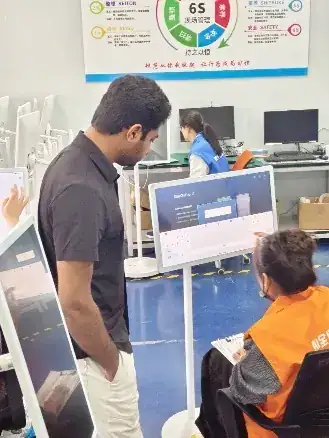
The five stages of quality control
Quality control is not a single check at the end. It is a sequence that runs through the production cycle, and knowing each stage helps you decide where to spend based on your product and your risk.
1. Pre-production inspection
Before manufacturing starts, materials, components and packaging materials are checked against the specification and the approved sample. It is most useful for new suppliers, custom products and orders where material quality is critical, because a wrong material caught here costs almost nothing to correct.
2. During-production inspection
Done when part of the order has been produced, often somewhere between the first units and around a third of the run. It catches systematic errors, such as a line set up with the wrong dimension or colour, while most of the order is still to be made.
3. Pre-shipment inspection
The most widely used check, done when production is complete and most goods are packed. An inspector takes a random sample, checks it against the specification and approved sample, and reports with photos. If the lot fails, the supplier reworks or replaces goods before shipment is approved. If you only run one inspection, this is the one.
4. Container loading check
An inspector is present while goods are loaded, confirming the quantity matches the packing list, cartons are in good condition and nothing is substituted. It is worth adding for high-value shipments or after past quantity problems.
5. After-sale feedback
Tracking returns and complaints by batch gives you evidence to bring back to the factory before the next run. This stage does not stop a bad shipment, but it improves quality over time.
How AQL sampling really works
Most inspections use acceptance sampling based on an Acceptance Quality Limit, or AQL, set out in the international standard ISO 2859-1. The standard's tables tell the inspector how many units to check for a given lot size and inspection level, and how many defects of each class are allowed before the lot is rejected.
A common misunderstanding is that an AQL of 2.5 means "2.5% of the sample may be defective". That is not how it works. The AQL is a quality level the sampling plan is designed around; the actual pass or fail decision comes from the acceptance and rejection numbers in the tables for your lot size.
| Defect class | Meaning | Common starting point |
|---|---|---|
| Critical | Unsafe, breaks a legal or safety rule, or unusable | Zero accepted |
| Major | Likely to cause a return or complaint, or affects function | AQL 2.5 |
| Minor | Small cosmetic issue that does not affect use | AQL 4.0 |
These are common starting points, not fixed rules. Agree your own levels with the supplier before production and write them into the order, so the inspection result is objective rather than a debate.
Writing quality control in China into your purchase order
Inspection starts in the documents you send the factory. A purchase order that lists only product, quantity and price leaves too much room for interpretation. Add these points to every order:
- Approved sample reference. State that goods must match the approved pre-production sample, and keep a sealed reference unit yourself.
- Material specifications. Name materials precisely. "ABS plastic" is clearer than "plastic", and a thickness or weight is clearer still.
- Tolerances. Write acceptable ranges for key dimensions and weights, so small natural variation is not argued about later.
- Packaging requirements. Carton size, inner packing, labels, barcodes and any retail packaging.
- AQL levels and defect list. The limits for critical, major and minor defects, agreed in advance.
- Inspection right. A clause that shipment is not authorised until the agreed inspection is passed, or waived by you in writing.
See our guide on what to confirm before approving a sample for how to build the reference these clauses depend on.
What to do when an inspection fails
A failed inspection is not the end of the order. It is information, and at this stage you still have leverage because the balance has not been paid.
- Get the full report first. Photos and findings are your evidence; decide nothing until you have them in writing.
- Judge the scope. How many units are affected, and is the problem cosmetic or functional?
- Rework at the factory. For fixable issues, the supplier sorts and repairs units, then a re-inspection confirms the result.
- Agree a price adjustment. For minor issues you decide to accept, agree a written discount.
- Refuse the lot. For critical or systematic failures, requiring a remake is usually cheaper than trying to sell a bad shipment.
Why the factory's own checks are not enough
Most factories run their own quality checks, and that is a good sign. But a factory reporting on its own goods has a natural interest in a pass, and photos sent by a supplier tend to show its best work. Independent inspection by someone working for you is the reliable basis for a shipment decision. When you choose a sourcing partner, ask who performs the inspection, what the report includes, and whether you can see an example report.
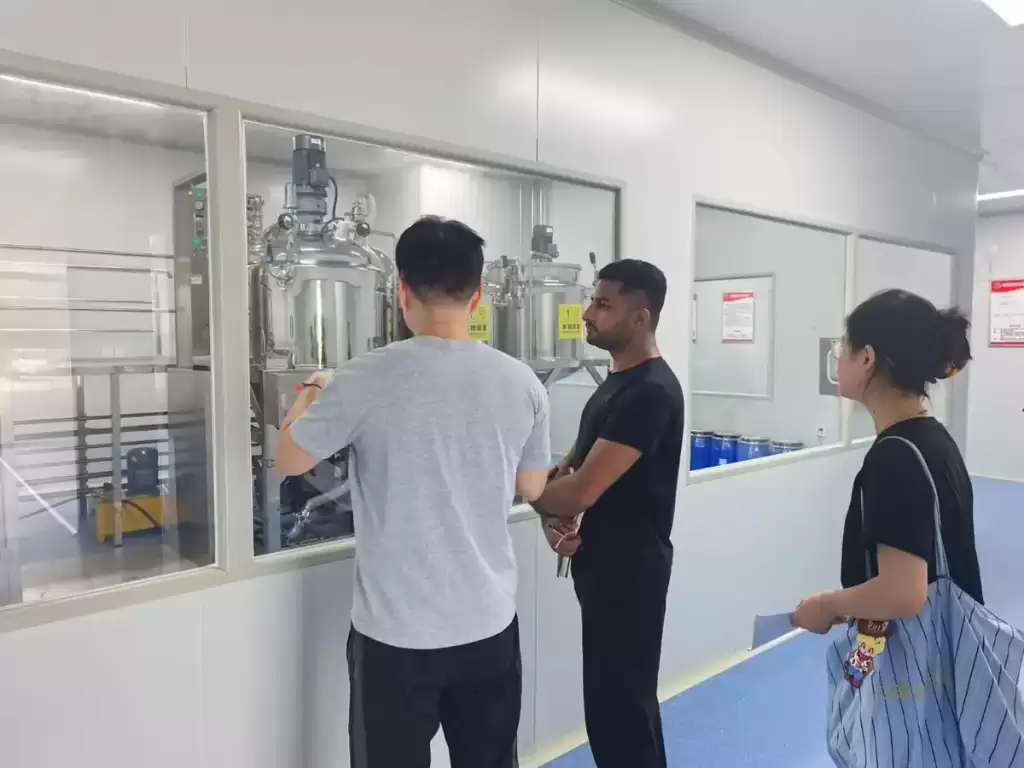
Which stages does your order need?
| Order situation | Suggested checks |
|---|---|
| Repeat order, stable product, trusted supplier | Pre-shipment inspection |
| First order with a new supplier | During-production and pre-shipment inspection |
| Custom or OEM product, new tooling | Pre-production, during-production and pre-shipment |
| High-value goods or mixed cartons in one container | Pre-shipment inspection plus a container loading check |
| Previous order had problems | During-production check, pre-shipment inspection and re-inspection if needed |
More checks are not always better. The right plan matches the risk of the order, and it is agreed before production so the supplier knows exactly what will be checked.
Budgeting for inspection
Inspection is usually priced per inspector-day, and most pre-shipment checks for standard consumer goods fit within a day. Travel to remote factories, larger lots and more complex products add time. Laboratory testing for market compliance, such as electrical safety or material testing, is a separate cost and is arranged with an accredited laboratory.
Rather than relying on a typical figure, ask for a written quote for your product, lot size and factory location. Then compare it with the cost of the alternative: rework abroad, reshipping, unsellable stock and returns. Against those, inspection is one of the cheapest lines in the budget.
Do not forget packaging and labels
Many shipments fail on details that have nothing to do with the product: a wrong barcode, a missing warning label, weak cartons or incorrect carton marks. Include retail packaging, inserts, labels and carton condition in every inspection checklist, because these errors can stop goods at customs or at a retailer's warehouse.
How VECTA GLOBAL approaches quality
At VECTA GLOBAL, inspection is coordinated as part of the agreed scope for each project, and we recommend at least a pre-shipment check on every first order with a new supplier. Inspection plans are built from the specification sheet and the approved sample, criteria are agreed before production, and findings are reported with photos or video before the balance decision. For us, quality control in China starts with the brief, not with the inspection day.
See Quality Inspection for how inspections are planned and reported, Product Samples for building the approved reference, and Production Follow-Up for how milestones and payments are coordinated around the inspection result.
Common mistakes
- Booking inspection after production. Criteria set after the fact are easy for a supplier to dispute.
- Inspecting before goods are packed. Packing errors and carton damage are missed.
- Paying the balance before reading the report. Once the money is sent, there is little reason to rework anything.
- No approved sample to compare against. Without a reference, quality becomes a matter of opinion.
- Treating the supplier's photos as inspection. Photos chosen by the factory rarely show problems.
Frequently asked questions
Should goods be inspected before or after shipment?
Before. Once goods leave the factory, your leverage drops sharply and fixing problems becomes slow and expensive. A pre-shipment inspection is the minimum standard for most importers.
Does a passed inspection guarantee every unit is perfect?
No. Most inspections check a random sample, so a pass reduces risk without eliminating it. That is why the sampling plan and defect limits matter.
Is inspection the same as lab testing?
No. Inspection checks appearance, dimensions, function, quantity and packing on site. Lab testing analyses materials, chemical content or electrical safety, and is arranged separately.
Who should pay for re-inspection after a failure?
Agree this in the order. Many buyers write in that the supplier covers re-inspection costs if the first inspection fails.
Can I rely on the factory's own quality reports?
They are useful information, but not a substitute for an independent check by someone working for you.
Building an inspection checklist
A checklist turns your specification into points an inspector can verify. Build it from the specification sheet and the approved sample, and include:
- Key dimensions and weights, with tolerances and the tool used to measure them
- Appearance points: colour, finish, logo placement and visible defects to look for
- Function tests that match how customers use the product
- Accessories, manuals and labels that must be present
- Packaging, barcode and carton marking requirements
- The defect class for each likely problem, so the result is consistent
Share the checklist with the supplier before production. A factory that knows exactly what will be checked is far more likely to get it right the first time.
What a useful inspection report looks like
A good report lets you decide without being there. It states the lot size, how many units were checked and the result for each defect class, lists every defect found with clear photos, records measurements against tolerances, and covers packaging and carton condition. It ends with a plain conclusion and the next step. If a report only says "passed" with a few general photos, ask for more detail before you release payment.
Keep every report with the order file. Over several orders, the reports show which defects keep recurring and which suppliers improve, which is exactly the evidence you need when deciding where to place the next order.
Need inspection for an upcoming order?
Send your product, quantity and ship date, and we will propose a quality control in China plan with the checks your order needs.